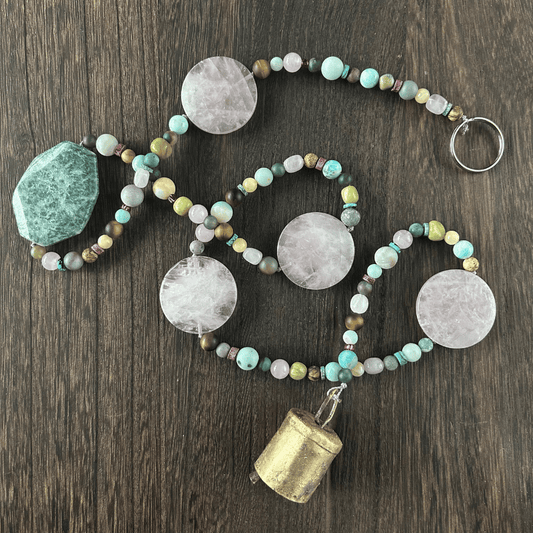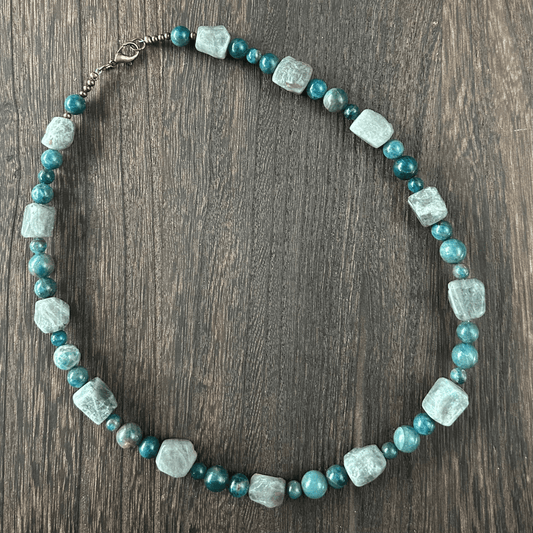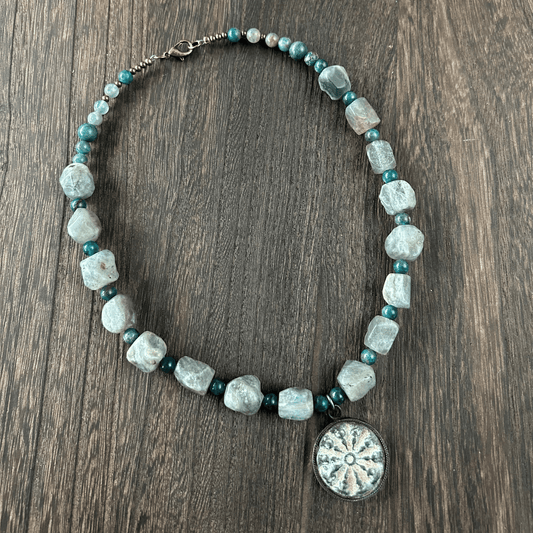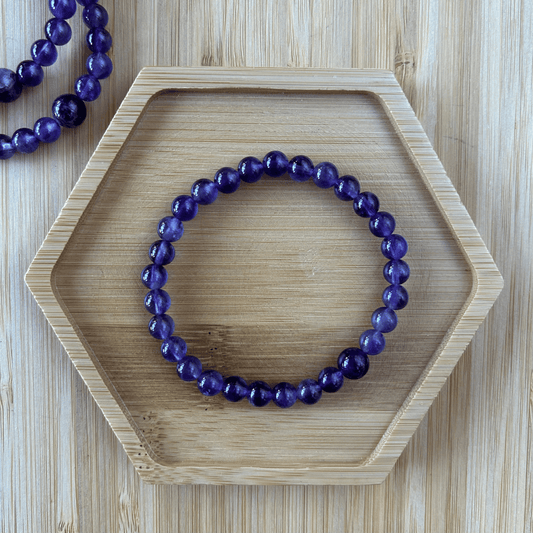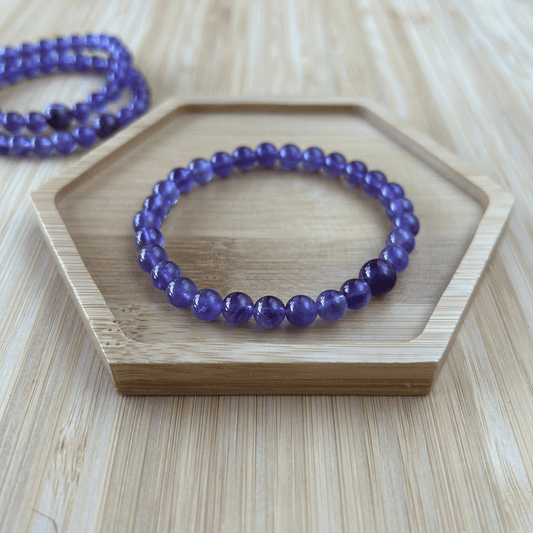

Like everything else we make here at Ritual Relish, we believe your keychain should be high quality, beautiful, and timeless–something that reflects the way you sparkle as you show up for your life, every day.
More than just your most precious daily object and a perfect gift, our relationship with keychains go way back.
Ancient Egyptians crafted large wooden or metal keys for temples and tombs attached to rings, cords, or leather straps for convenience and security.
In ancient Rome and Greece, keys became more decorative and smaller, sometimes worn as jewelry around the neck—an early form of keychain as a lucky talisman and a symbol of status. Materials used included bone, wood, metal, and leather.
During the Middle Ages, keychains were worn as a badge of power to display authority. The keys grew larger and more ornate attached to thick chains or belts. Keychains became even more decorative and symbolic during the Renaissance, but remained a symbol of status, power, and authority.
Modern keychains were born during the Industrial Revolution when significant inventions and advancements were made. Factories were producing more locks and keys and the need to keep them organized in a practical way grew. Common materials used during this era were brass, steel, and porcelain.
During the 19th Century, Samuel Harrison, a British inventor, revolutionized key management when he designed the split ring. It became the standard for keyrings and is still used today as the core component of a keyring.
Frederick J. Loudin, Black American inventor and singer, patented the world’s first keychain fastener. It was designed to keep keys near their door locks improving both home security and making key management easier.
The first souvenir keychain made its debut at the 1893 World’s Fair in Chicago.
The auto industry made the popularity of keychains really boom, fueling a global collecting craze during the 1950s. Acrylic, silicone, PVC, plastics were used in mass production during the keychain swag era. Between the 70s-90s they had fully transitioned from a purely functional personal item into major pop culture accessories, fashion statements, and collectible items.
Copoclephilia is the act of enthusiastic keychain collecting. Angel Alvarez Cornejo, Spanish copoclephile, owns a total of 62,527 keychains, the largest collection in the world as of June 25, 2016. He began collecting at age 7.
Keychains endure due to functionality and our need for personal expression. These symbols of personal identity are treasures and reminders of life adventures.
Like everything else we make here at Ritual Relish, we believe your keychain should be high quality, beautiful, and timeless–something that reflects the way you sparkle as you show up for your life, every day.